
Ethno-graphic Collaborations
Crossing Borders with Multimodal Illustration

When I was asked by one of the editors of Trajectoria, a new experimental journal published by the Japanese National Museum of Ethnology, to submit a proposal for a special issue, I knew that I wanted to use this opportunity to explore the collaborative potential of graphic methods in anthropological research. During my research in Japan, I became increasingly aware of the importance of digital visual communication, for example stickers and emoji, for how many of my research participants were using their smartphones. I therefore decided to experiment with collaborative graphic methods that combined both analogue and digital media, to explore a range of topics including participants’ relationships to their smartphones and their notions of life purpose (ikigai in Japanese).
I found that through such collaborative graphic approaches I was able to foreground participants’ framing and aesthetic choices in conducting and disseminating my research, and importantly, was able to access different kinds of knowledge than without such collaborative approaches. I wanted to explore further how different forms of graphic collaboration can make the academic and public outputs of research more reflective of the collaborative process through which anthropological knowledge is produced.
The editors of Trajectoria were responsive to the idea, as were several contributors who I approached. After almost a year of collaboration and attentive care from the Trajectoria editorial and design team, the special issue ‘Ethno-graphic Collaborations: Crossing Borders with Multimodal Illustration’ has just been published. The issue includes wonderful contributions from two anthropologists (Dimitrios Theodossopoulos and José Sherwood González) and two anthropologist-artist collaborators (Charlie Rumsby with Ben Thomas, and myself with Ito Megumi), along with an extended discussion by Dimitrios.
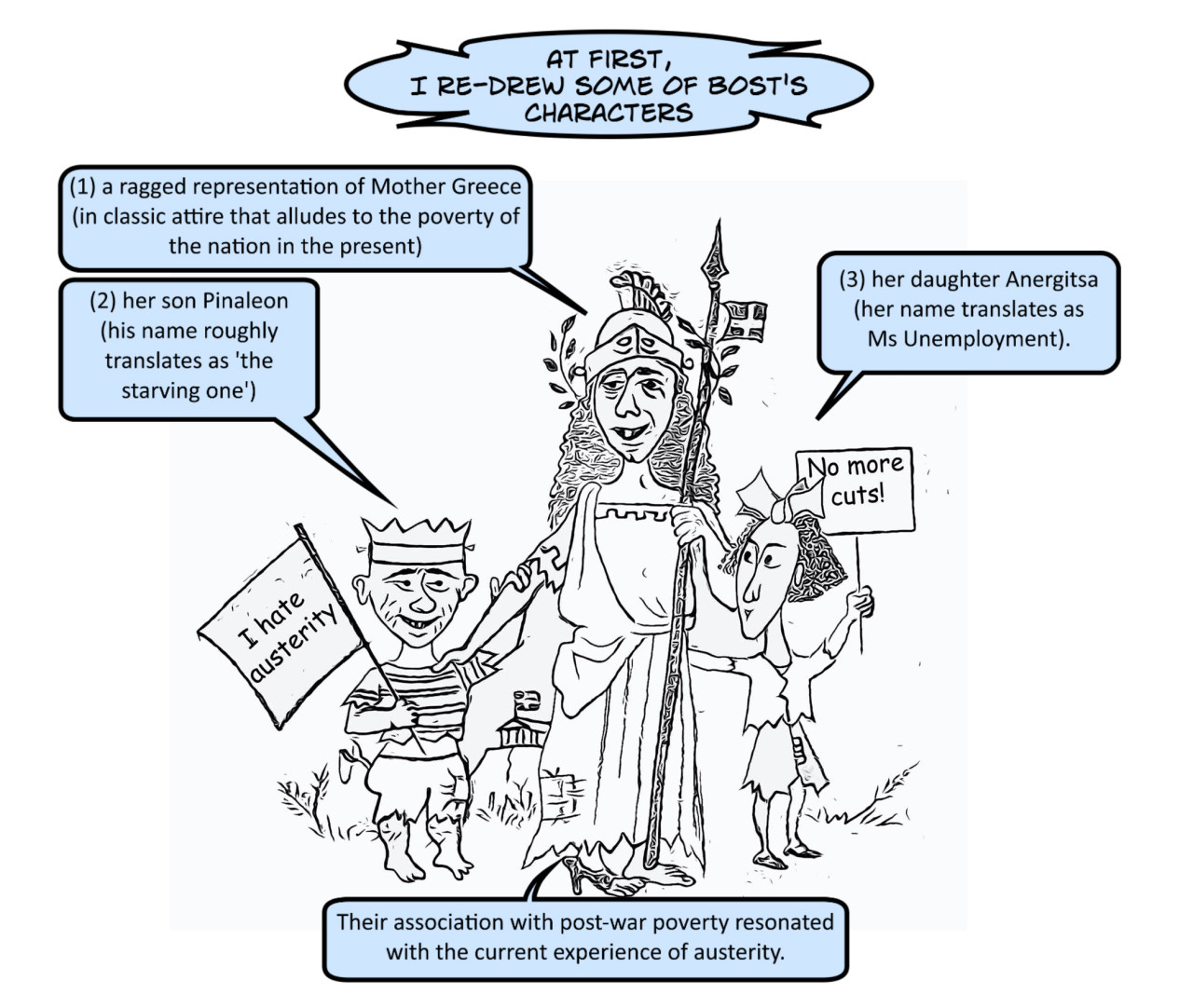
In the comic by Dimitrios Theodossopoulos (extract above), which tells of a collaboration by the author and a playwright, we learn about the impacts of austerity in Greece and are reminded through the style of drawing of the historical rootedness of such social and political contexts.
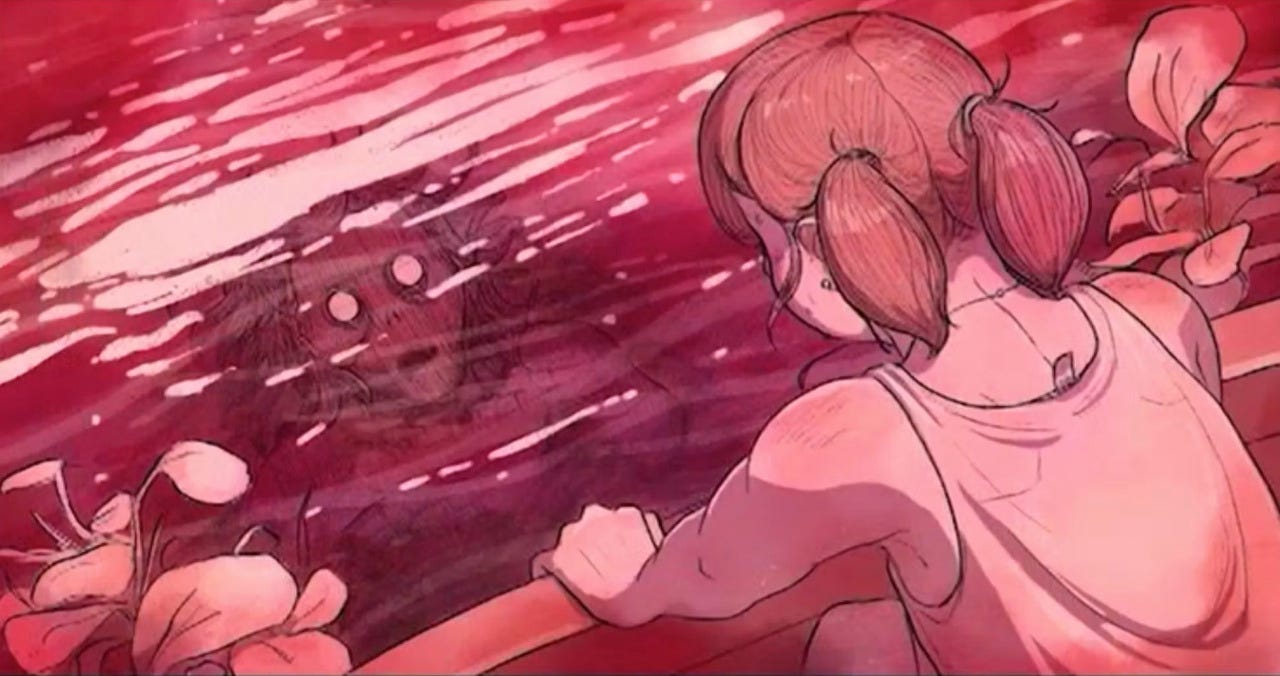
In the piece by Charlie Rumsby and Ben Thomas (extract above), Charlie’s research among stateless ethnic Vietnamese children in Cambodia is powerfully and empathetically communicated through Ben’s illustrations, while maintaining the anonymity of research participants.
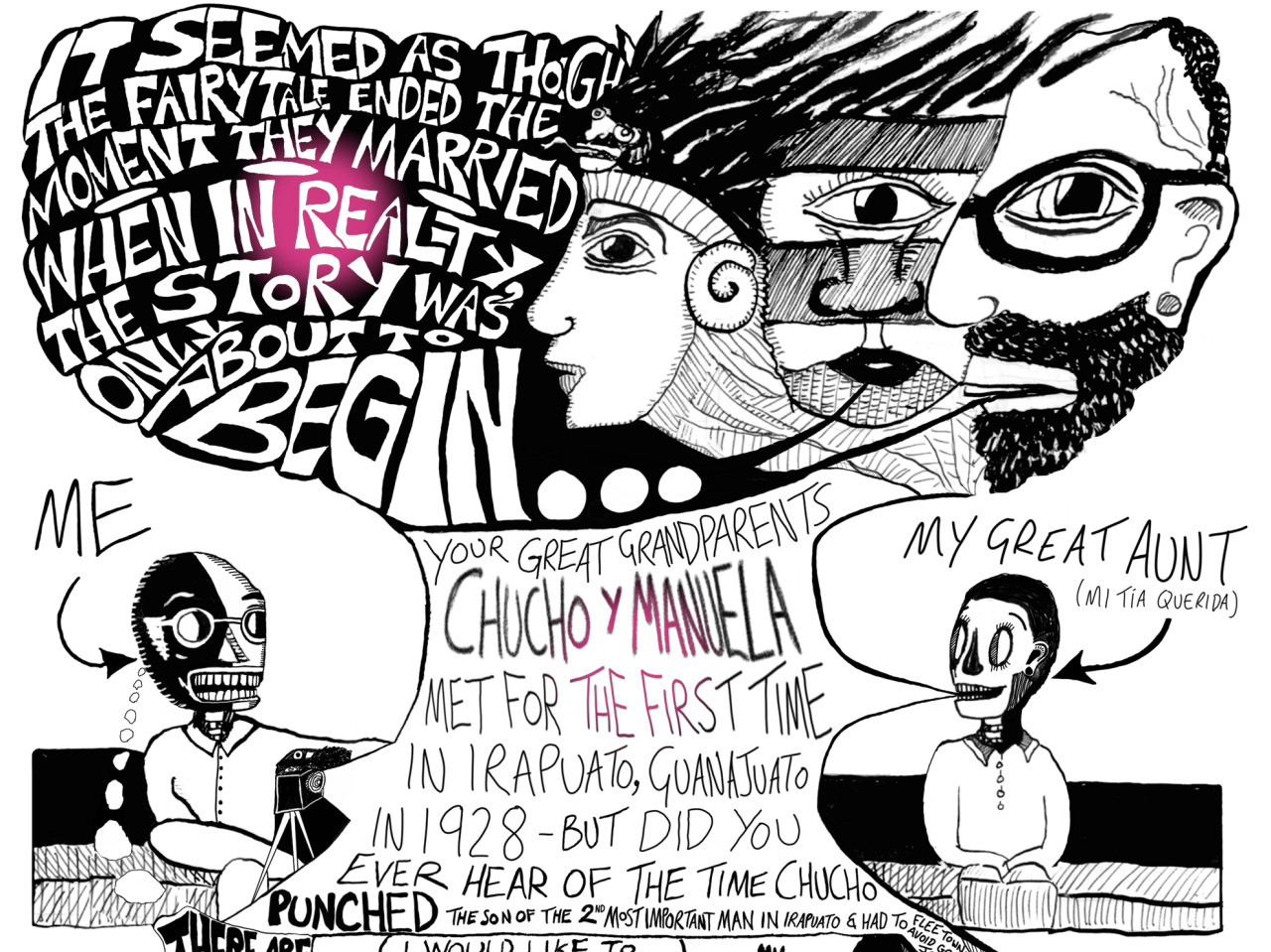
In José Sherwood González’ interactive comic (extract above), audio clips recorded with his family in Mexico expand on the text and illustration, representing how ethnography includes a multiplicity of voices which can sometimes be contradictory - as is the case with the telling of his family history.
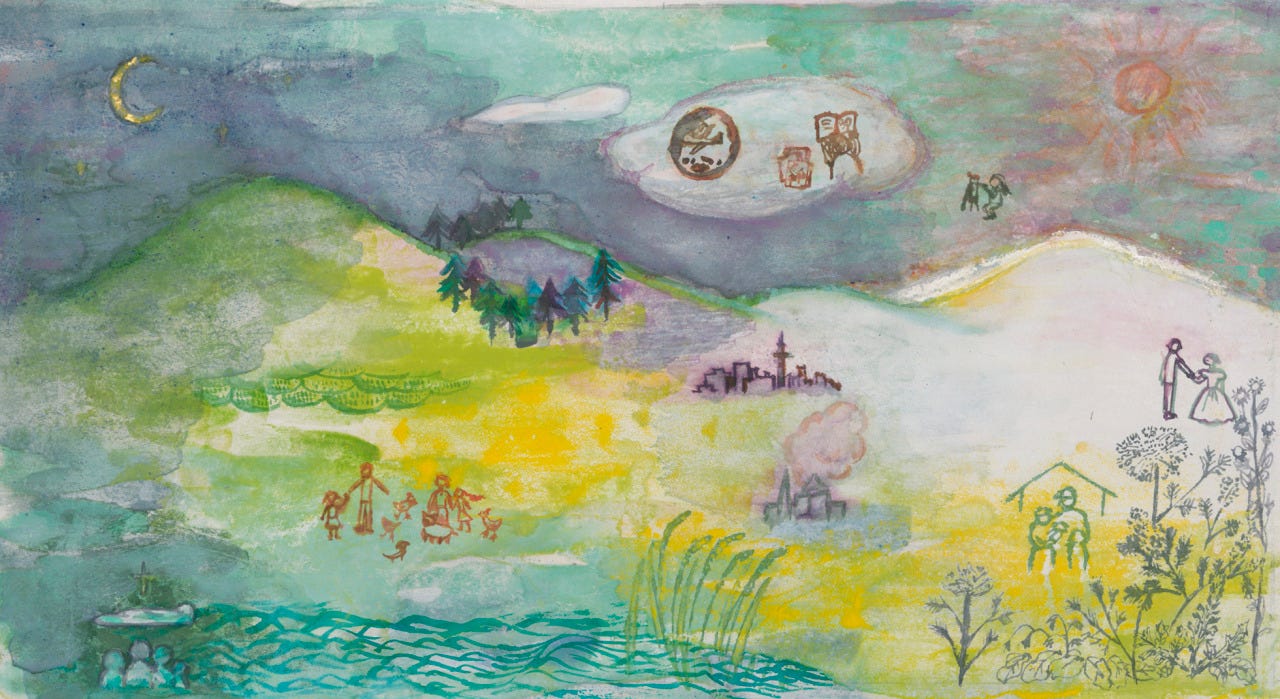
In the piece by Ito Megumi and myself, Megumi’s painting (above), originally used as a medium for elicitation during an interview, is turned into a form of dissemination through embedded audio clips that highlight the non-linearity of her life course and her sense of life purpose (ikigai).
In addition, the special issue contains five discussion videos between all of the contributors, in which we talk about the gifts of graphic anthropology and visual modes of collaboration. The video below (originally recorded to be part of the Trajectoria issue, but subsequently replaced with two videos focusing on Ben and Charlie, and Megumi and myself) explores what collaboration between artists and anthropologists can offer, both to those involved in such collaborations and towards the wider goal of broadening access to anthropological research.
I hope that this special issue will contribute to the exciting growth of graphic anthropology as a sub-discipline, demonstrating how collaborative and interdisciplinary engagements might push for a more egalitarian, subversive anthropology in which co-creation is foregrounded.